

After we’ve been to Guangxi we continued with our journey to the province of Guizhou. Compared to Guangxi and Guangdong Guizhou is a very different place. Guiyang, the capital city of Guizhou province, is a never-ending construction sight. With a population of about 5 million people (this is an old number from 2016, so the estimated number could be even higher), Guiyang can’t compete with the mega cities of Beijing, Shanghai and Guangzhou, but the city still has its own interesting places worth visiting.
What makes Guizhou so different and special? Although every province in China is special, Guizhou has a bad reputation of being the poorest province in China. The poverty – you can see it, even in Guiyang. The streets are dirty, the houses are falling apart, people do things which, speaking for the more developed part of China, mainly – people from the eastern part of China, like Shanghai etc., wouldn’t do. This includes things like spitting a lot in public, throwing rubbish into places where it doesn’t belong to, and so on. The presence of police officers is higher than in other places in China and at the train stations you even see soldiers and other stuff, like armoured vehicles, for example. Before heading out, we were even warned to pay attention to our bags and pockets.
But let’s start from the beginning. As always, we booked our hotel/hostel on booking.com. We have never had a bad experience so far, but this time it was different. The place was a mess. There was dust and dirt everywhere, even on the walls! Cigarettes were lying under the bed. The bed itself was okay, but very used up. Finally, we found cockroaches in the bathroom. Although, it gets very cold during winter in Guizhou, there is no central heating. And this place neither had a special heater nor the walls and windows were useful to stop the warmth of escaping. To be honest, living in Guizhou during winter is no joke. The engineer who built all those houses should be fired. Even if the windows are all closed, you still feel the cold creeping in. After a rough night sleeping in our coats we decided to move out. We booked a new hostel. If you want to find a hotel/hostel for a good price in the heart of the city, you will not find it. Guiyang is a very strange place. It’s not the only strange thing we came across during our travels in Guizhou.
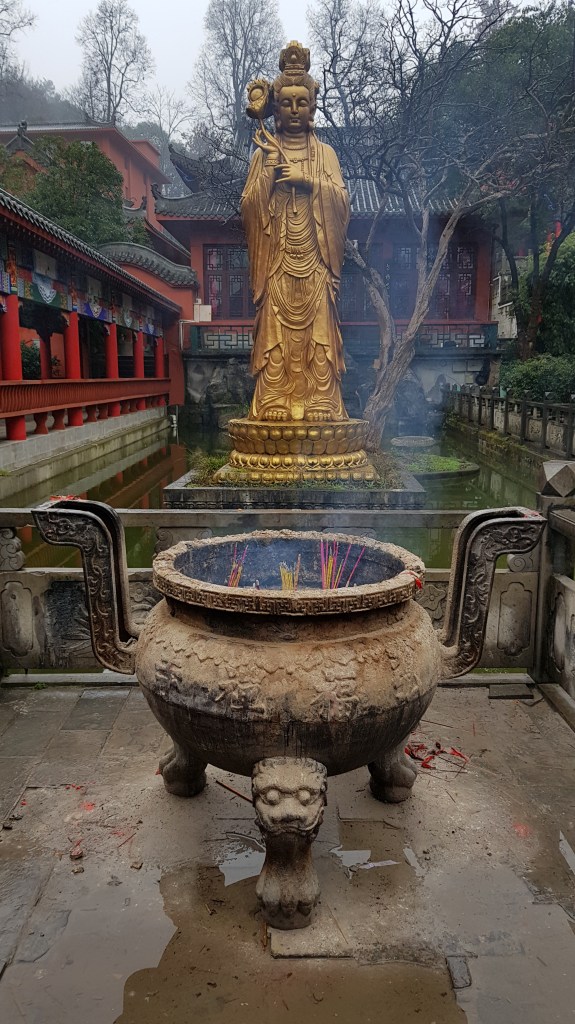
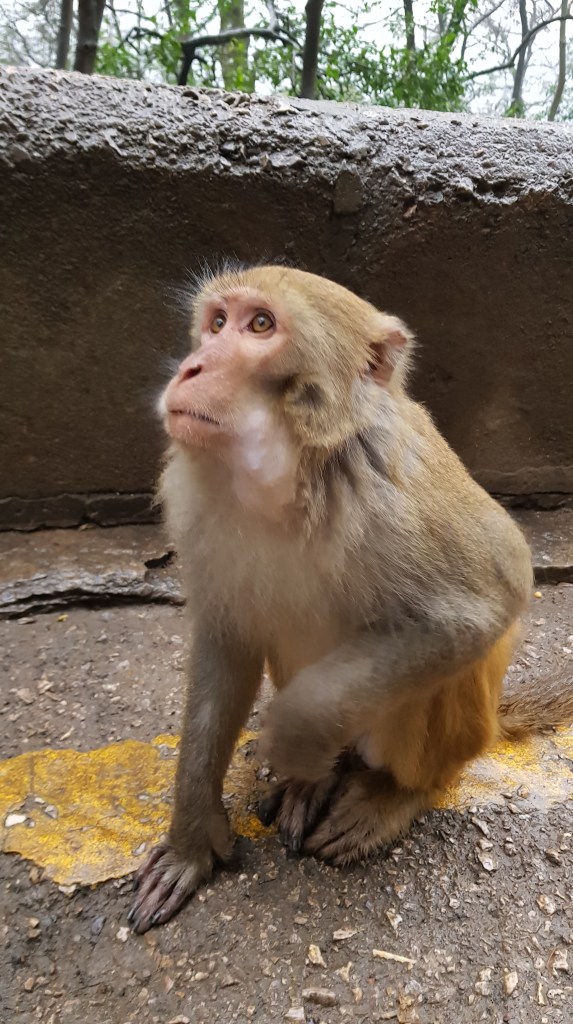
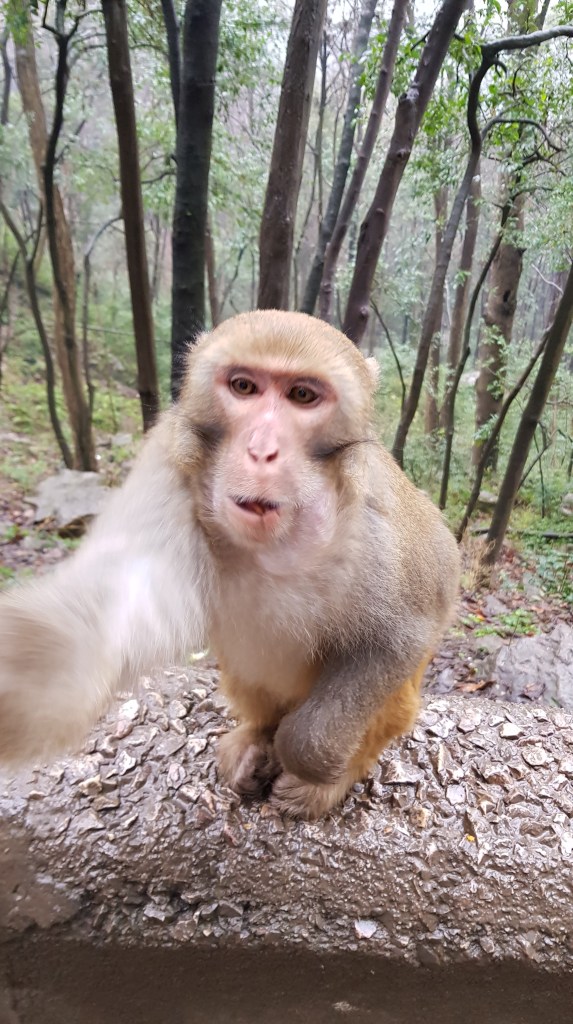
On the first day we went to a park called 黔灵山. There we visited a temple located on the peak of the mountain. It was called 弘福寺. But the most special thing about this park are the monkeys. An old lady sold us some food, so we could feed them. You still must be careful though. Monkeys are dangerous guys. Don’t ever show them all the food you have and never ever lose your respect for them. If you come to close or try to trick them, they will get angry and attack you. Once, I tried to come closer and the monkey thought I would try to attack him. He felt intimidated, so he grabbed my finger and tried to pull it out. My obvious reaction was to pull my hand back and go away. Nothing bad happened, but I know that it was my fault, not his.
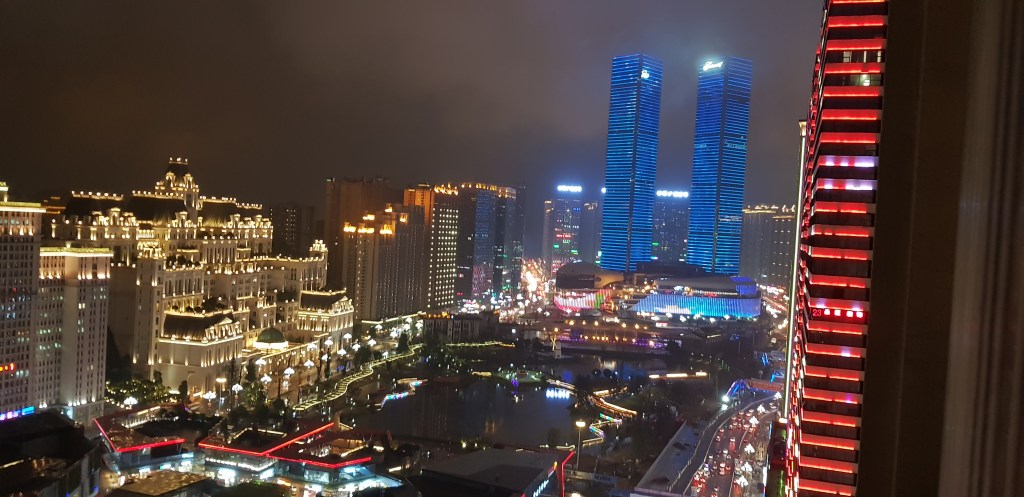
In the evening we decided to go for a walk through the richest area of Guiyang. It is famous for being one of the biggest residential areas in the whole world (It’s called 花果园 – Huaguoyuan). This area, as all of Guiyang is, is still under heavy construction. There are a lot of overpasses leading over the roads, but a lot of them are closed because of construction. This makes things difficult. It was built by a very rich guy who lives in a very European looking palace. In the middle is a small park and a big shopping mall with a lot of restaurants inside it.
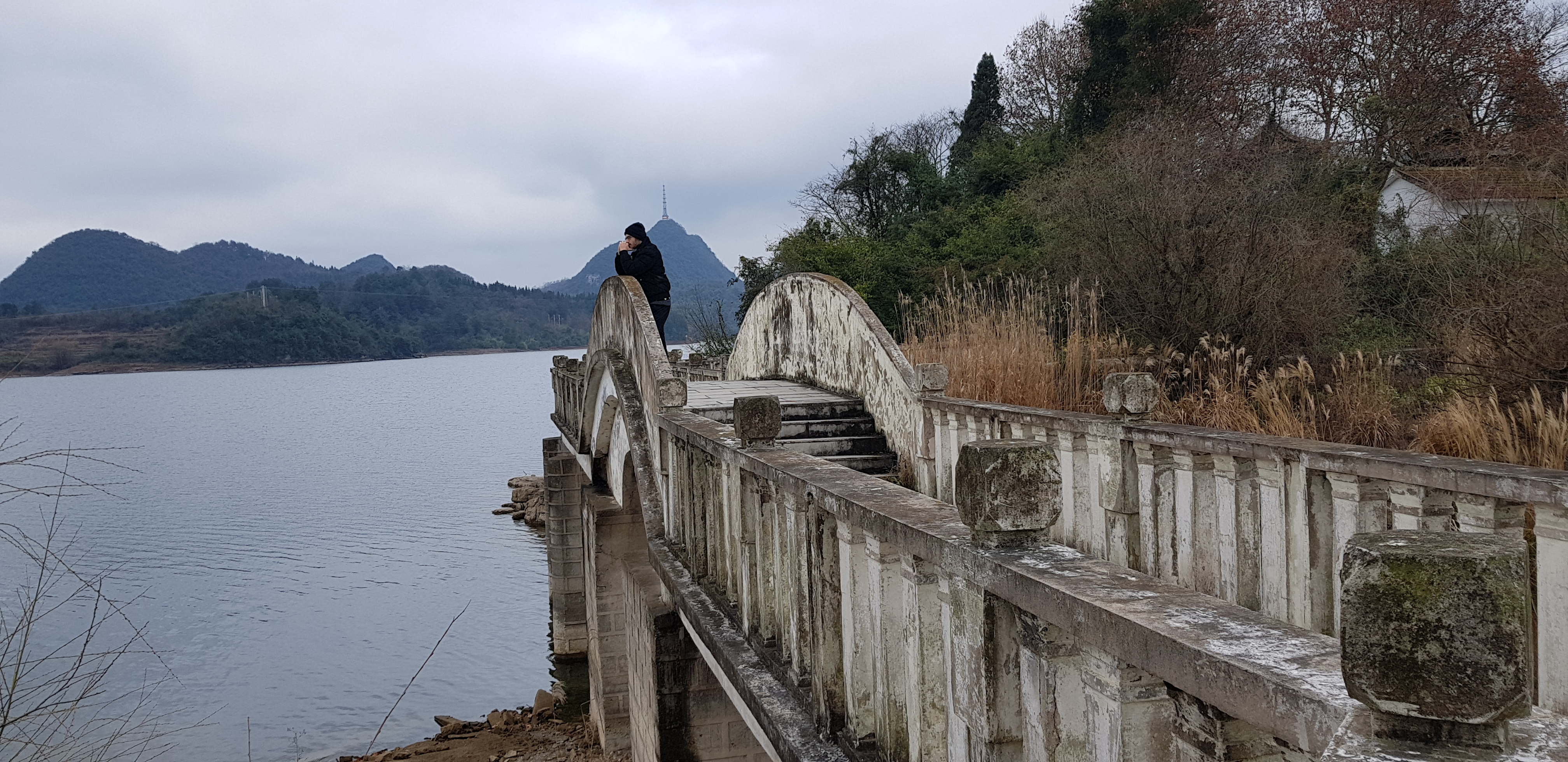
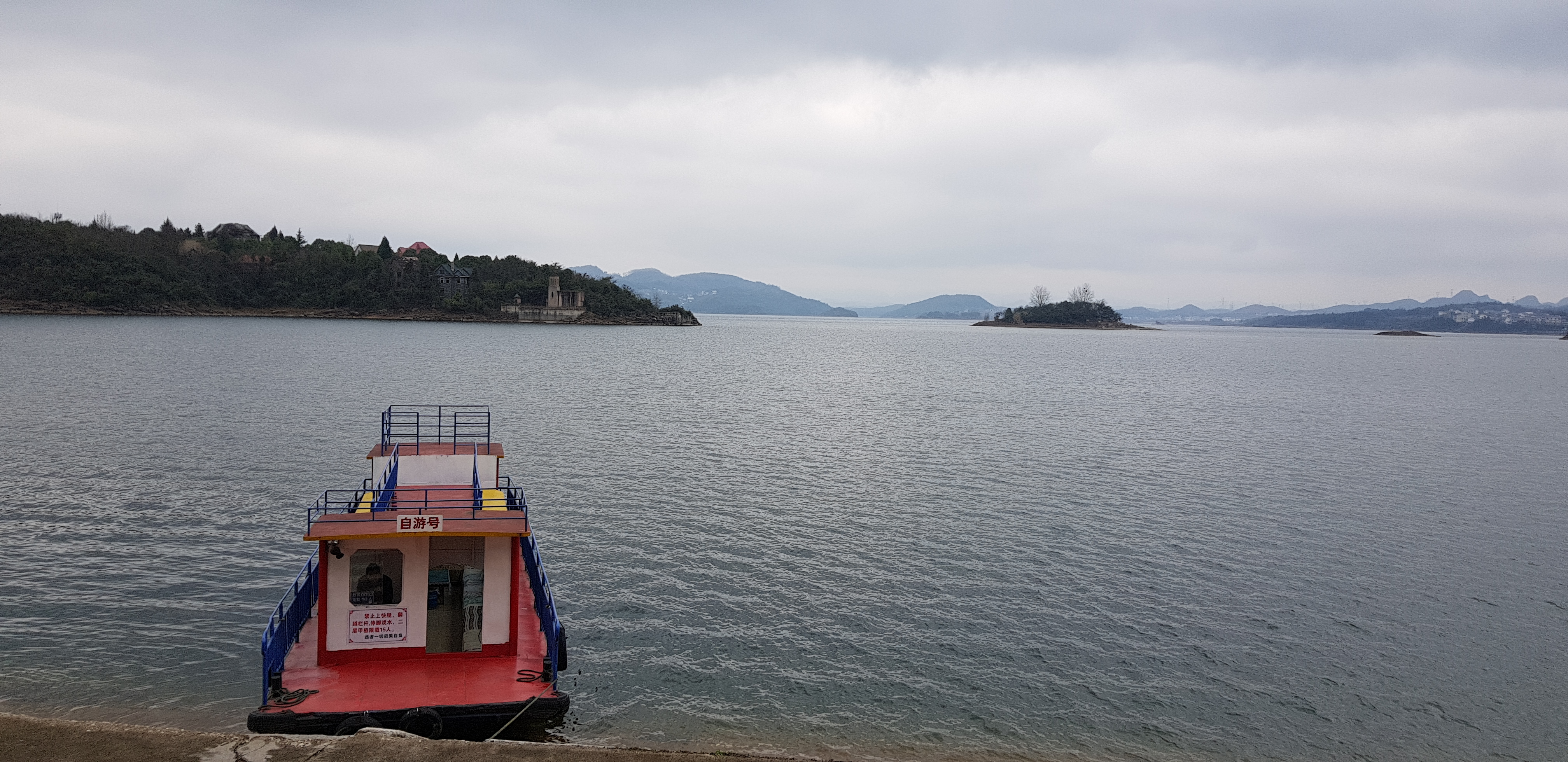
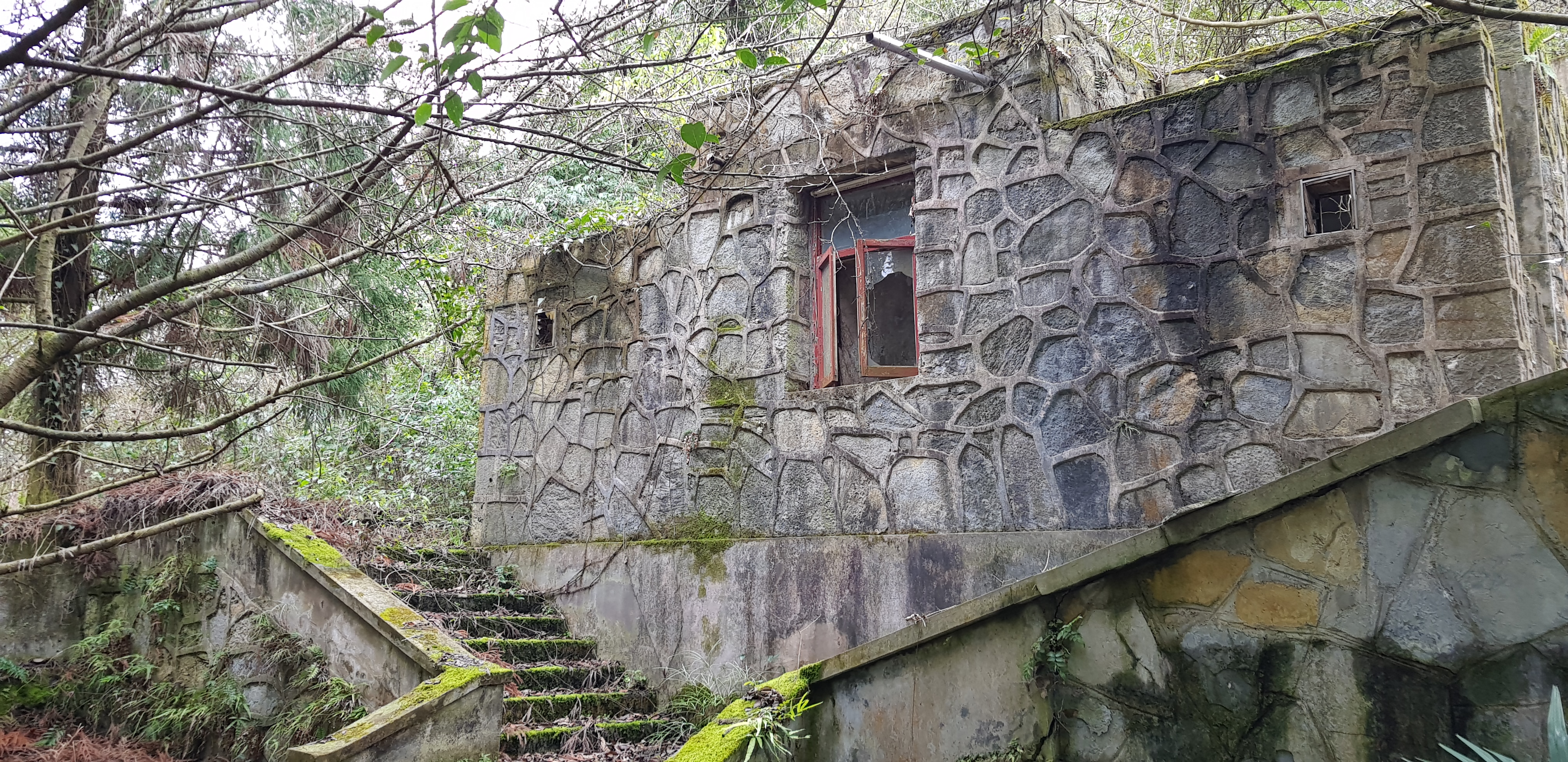
The next day we visited the biggest freshwater lake in Guizhou 红枫湖 – “hongfeng hu”. It is manmade and in summertime, the ferryman told us, there are a lot of visitors from all around Guizhou. Now, in winter, we didn’t even see a single soul. On the contrary, the place looked like no one has visited this place for over 10 years. It felt like Guizhou’s tourism is slowly dying. We entered a boat, which we had to rent for ourselves (it was therefore more expensive than usually) and explored the small islands on the lake. Everywhere we found pictures of former and senior party officials shaking hands with the engineers of this manmade lake. But nobody was there to appreciate their piece of work except of us. All in all, this place felt miserable and at the end I can’t say if it was worth the money visiting this place, especially because we had to take the taxi to get there and back.
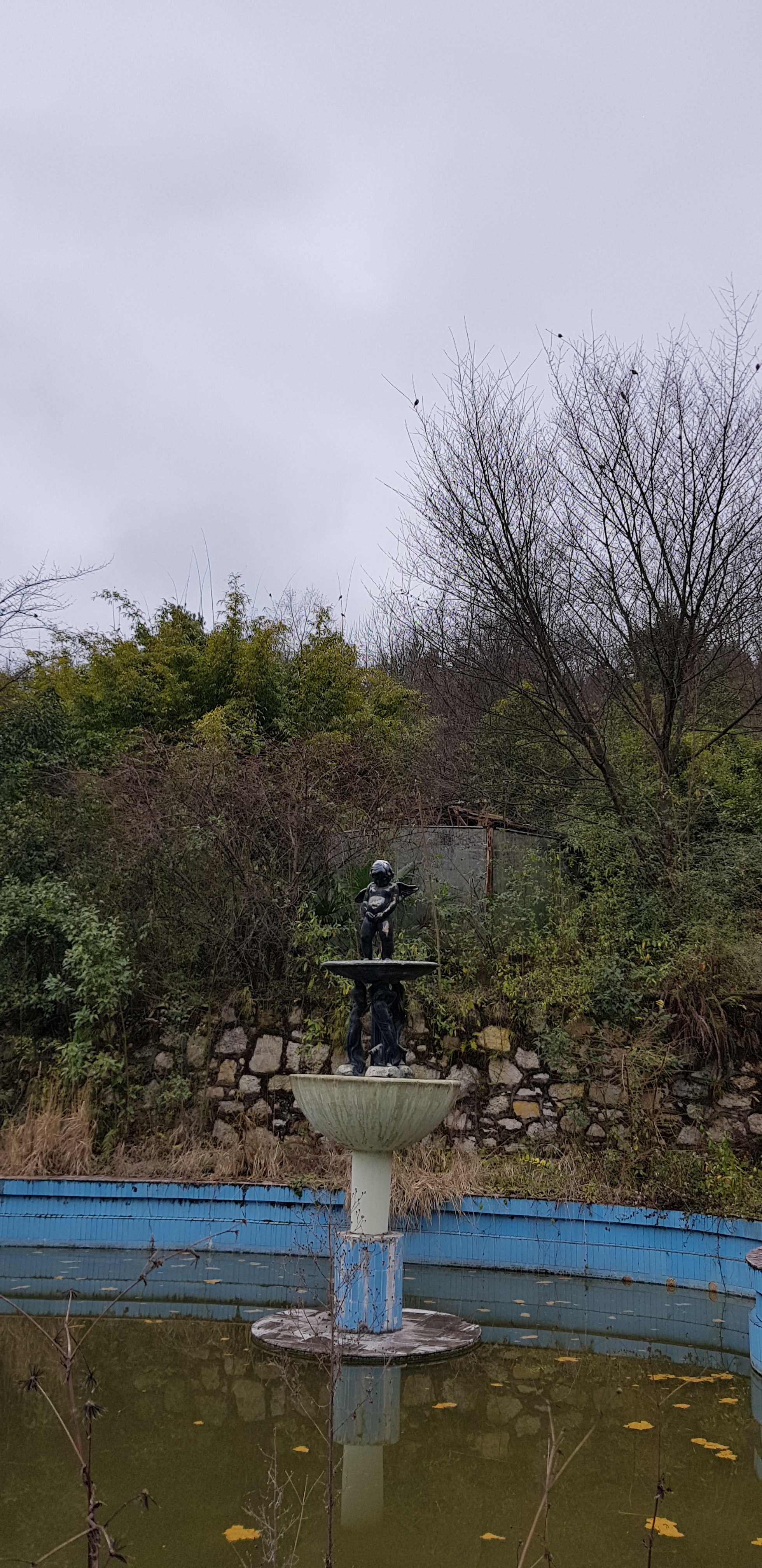
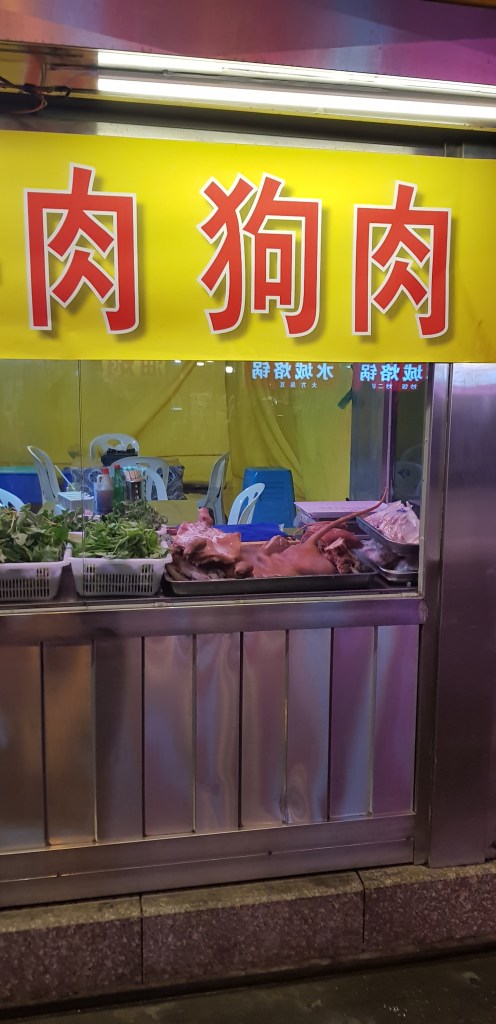
Because of the virus which is currently spreading in China we decided not to eat fish on one of the night markets of Guiyang. There are a lot of night markets in Guiyang, but you will be disappointed if you expect “Taiwanese-like” markets. In China the night markets have a somewhat different nature compared to those in Taiwan. In Guiyang these are more restaurant-like streets, which only open during evening and night-time. Additionally, you can see most of the stuff which is cooked in the windows, aquariums and cages in front of the restaurant, including dog meat. Instead of eating fish or dog meat (I’m just kidding) we decided to cook the meal by ourselves by going to a hotpot restaurant. What is a “hotpot restaurant”? These kinds of restaurants serve cold ingredients (not cooked, just prepared for cooking) and a big pot of hot soup with different kinds of spices. The soups are delicious, and you can choose the ingredients by yourself. This makes it easier for vegetarians and vegan people. Then, you cook the ingredients and dip them in self-mixed sauces. It’s a nice socialising technique! Compared to Guangxi, the food in Guizhou is just mouth-watering! And luckily there are enough small restaurants selling delicious Baos for breakfast. In Guilin we had problems to find a good breakfast from time to time. In Yangshuo every street has its few small restaurants which can prepare an ordinary breakfast.
Now comes the most interesting part of our Guizhou trip! We went to Kaili – 凯利, a city which is located north-east of Guiyang. The city itself is not very interesting to look at and has a kind of “run-down look”, but the nature around it is astonishing! There are high mountains and green forests. In the valleys at the shallow rivers you can find the villages of a Chinese minority called Miao – 苗. As all the Chinese minorities, they have their own distinct language. You can reach Kaili by high-speed train, which makes it very convenient, because Guizhou’s roads are very bad or very expensive to drive on.
Sometimes the Chinese taxi drivers are very talkative and that’s always a great chance to have a nice chat and improve your Chinese. This time the driver told us about the Miao villages and where we should go. We were still unsure about the exact destination. There are a lot of villages, but all of them seem to be very empty in winter. He told us we should better go to the biggest one, called 郎德. 郎德 – Langde isn’t a very interesting place, but the nature surrounding it is so beautiful! It was far away from Kaili Station (an hour or so), so I think the driver persuaded us to go there, because he wanted to earn more money. On the day before we saw another dog meat restaurant, and we decided to ask the driver, whether he likes to eat it. He told us that he loves eating it, laughing at the same time. And, so it seems, a lot of people in Guizhou and Guangxi like to eat dogs. But don’t be worried, the younger generation doesn’t like to eat dogs and sooner or later the dog meat restaurants will disappear!
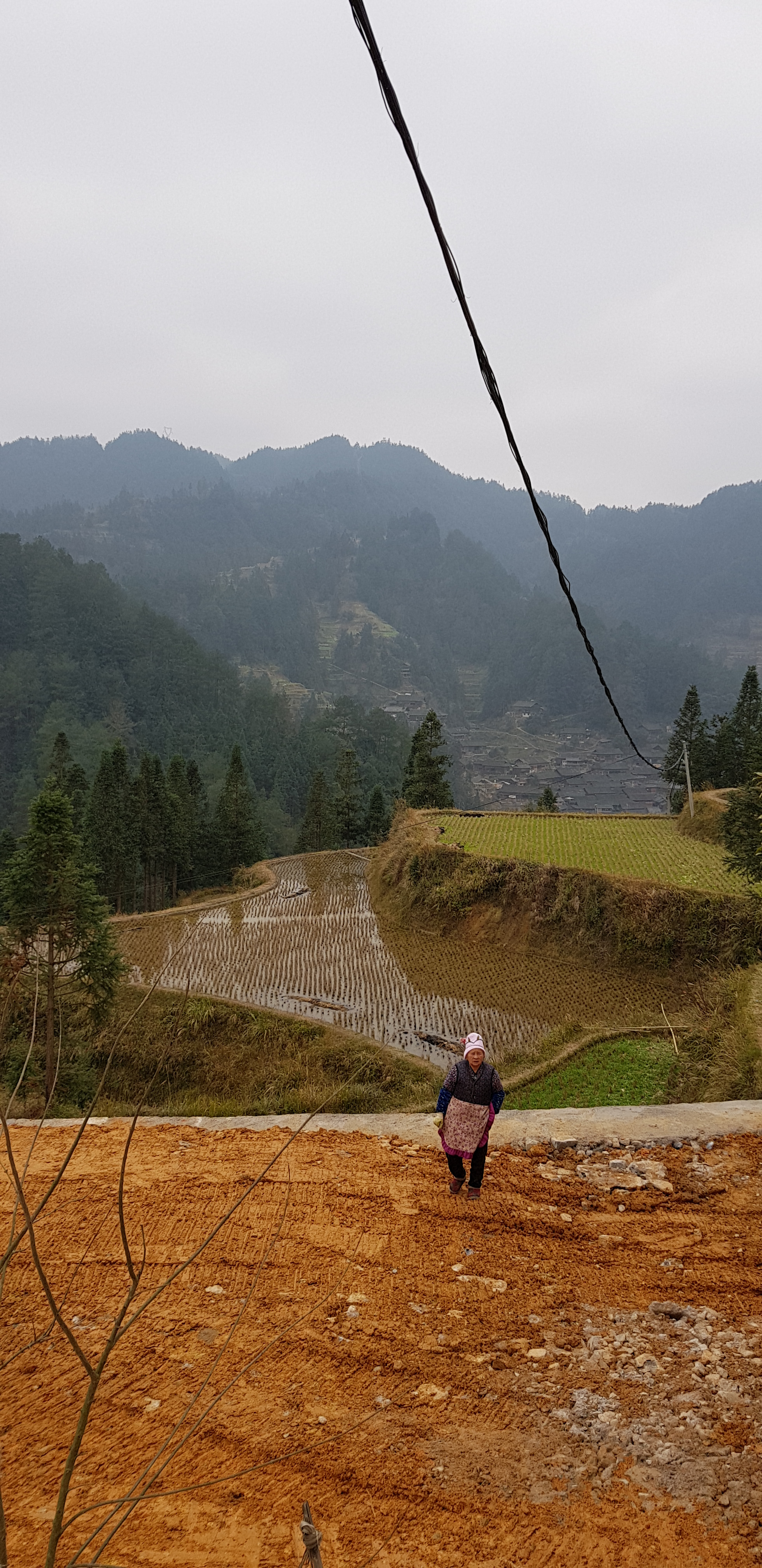
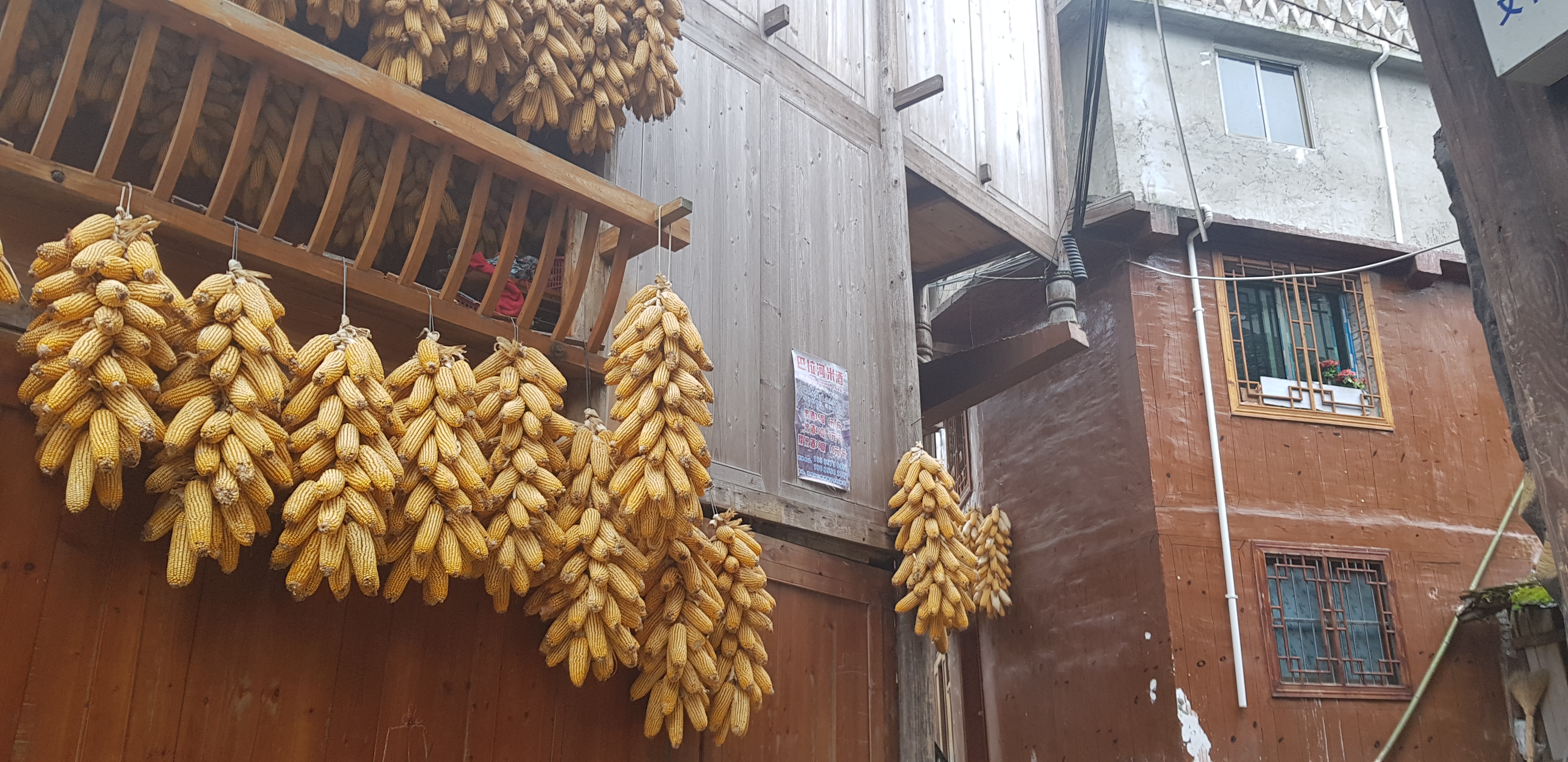
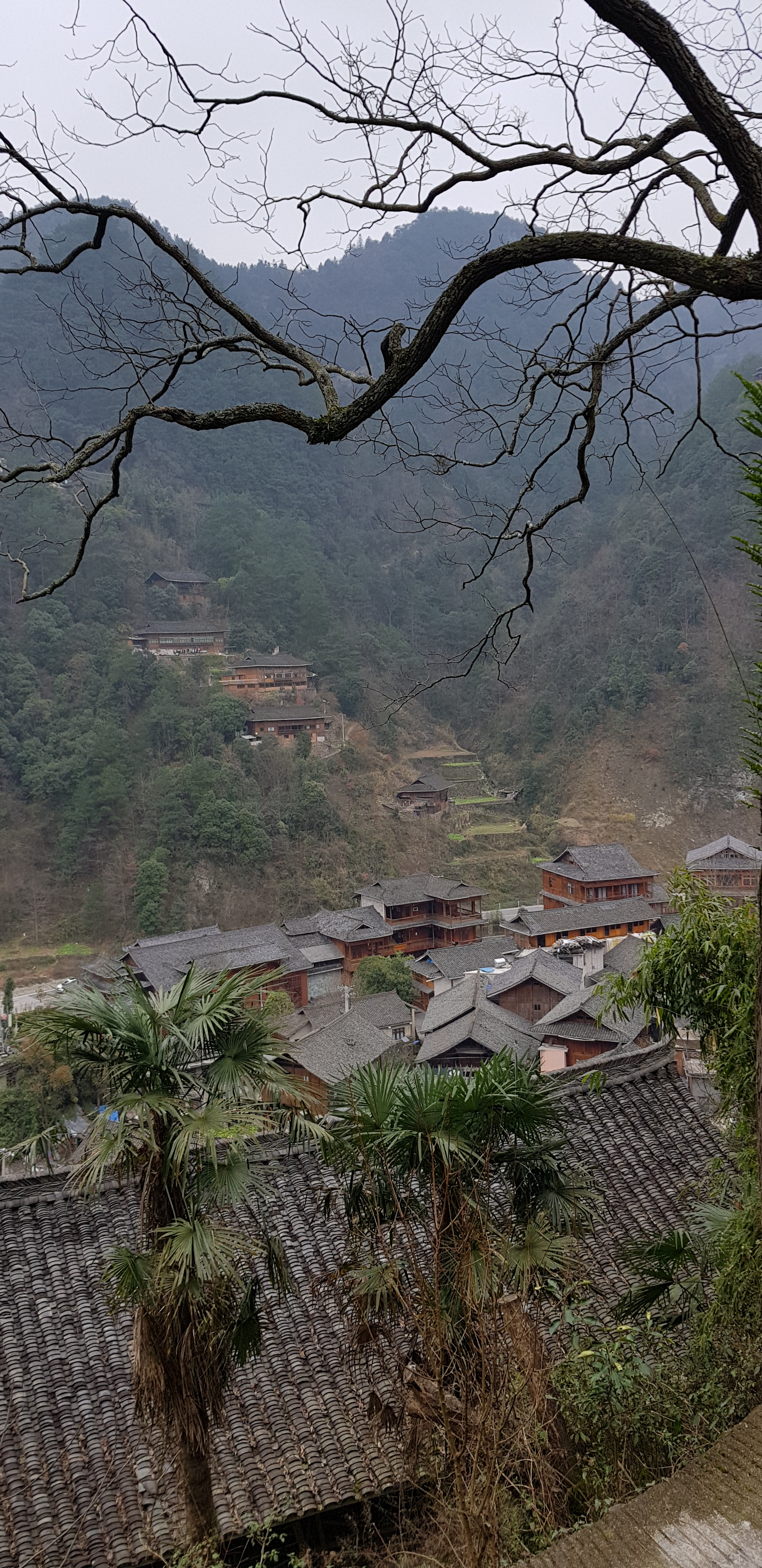
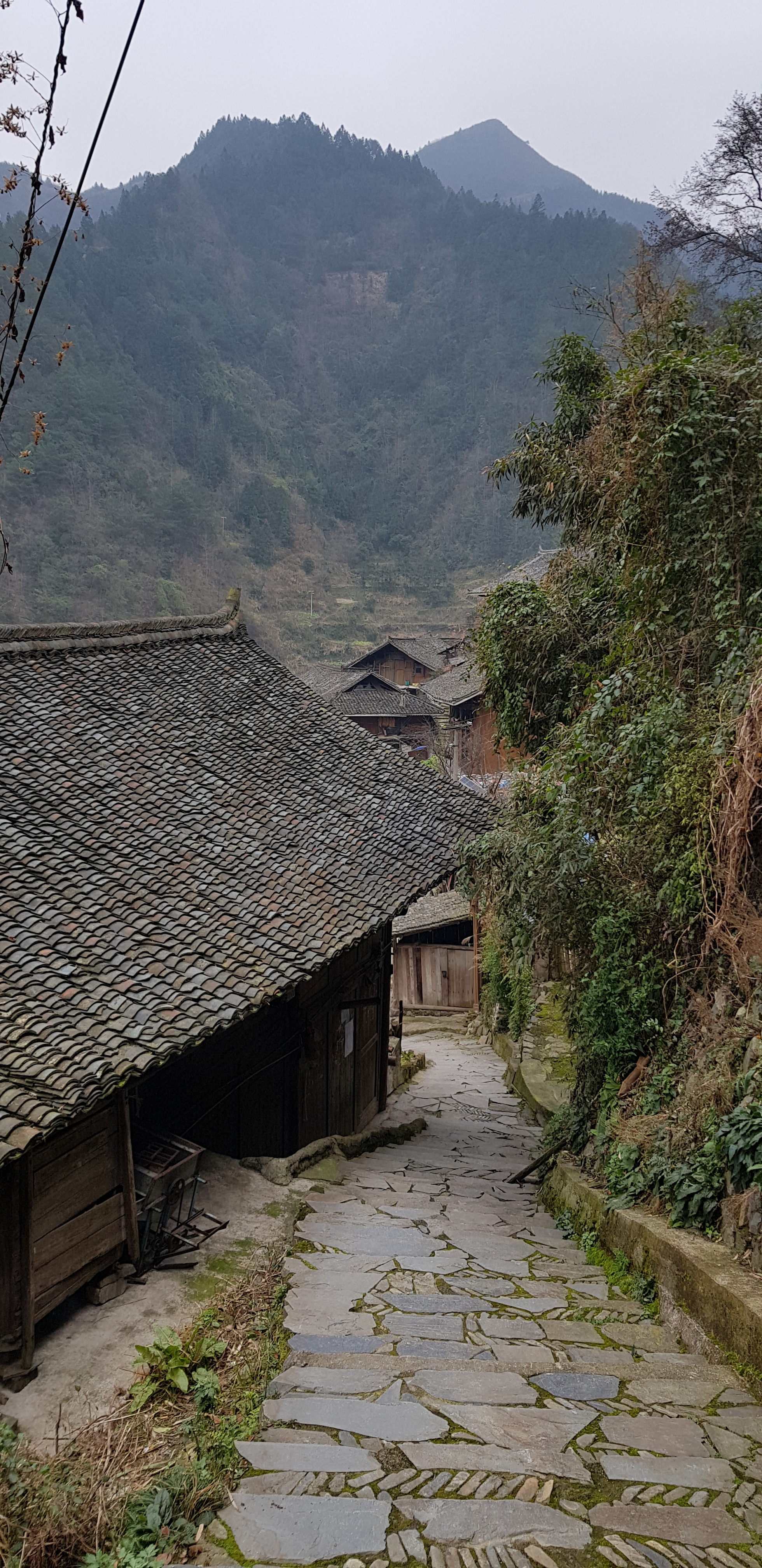
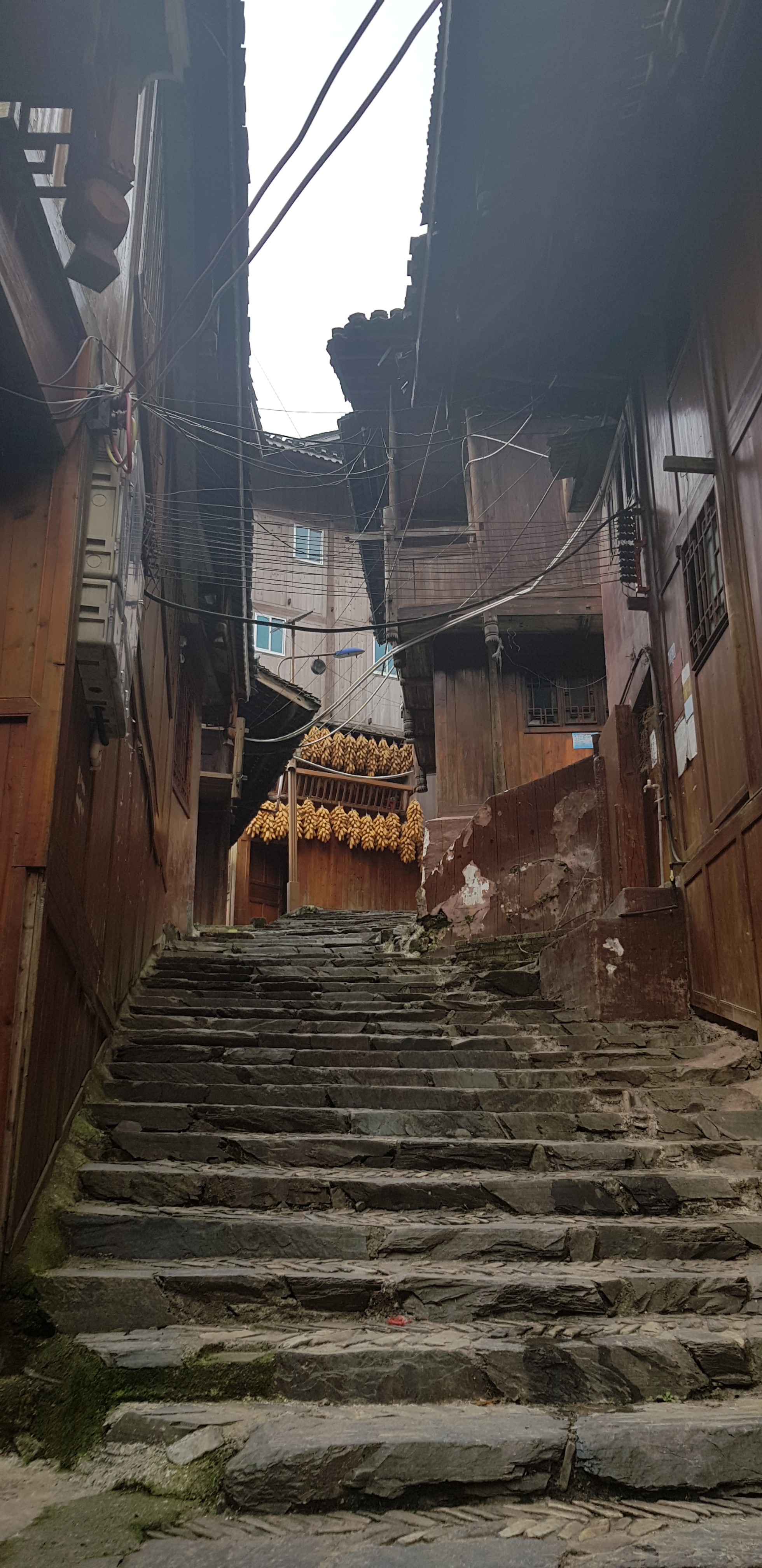
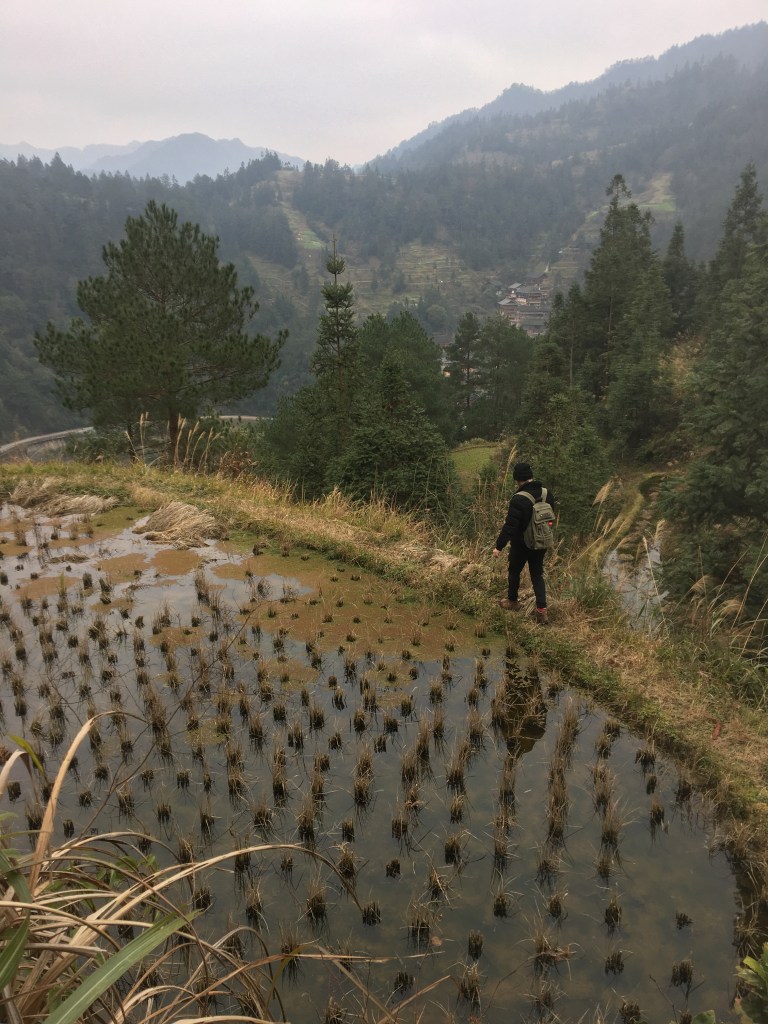
I wouldn’t say that it’s worth coming to 郎德 to see the village itself, even if it’s livelier in the summer. But it is worth to have a nice hike in the nature. The nature reminds me of my home village in Germany. So, whenever you might visit some of these villages, remember to check out the woods and rice fields around it. On our way through the villages we met old Miao people. We tried to talk to them, but we seemed to have certain communication problems. They only speak their mother tongue, and don’t know how to speak Mandarin. Miao women like to wear decorated scarfs or a kind of fabric on their heads covering their hair. During the winter these people live a simple life eating vegetables, eggs and meat from their own small farms. Rice is only grown in the warm months of the year, so they save some of it for the winter. Despite being so poor, they seem to get money from the government, because in summer a lot of Chinese tourists are visiting the villages and the village has to be prepared for tourism.
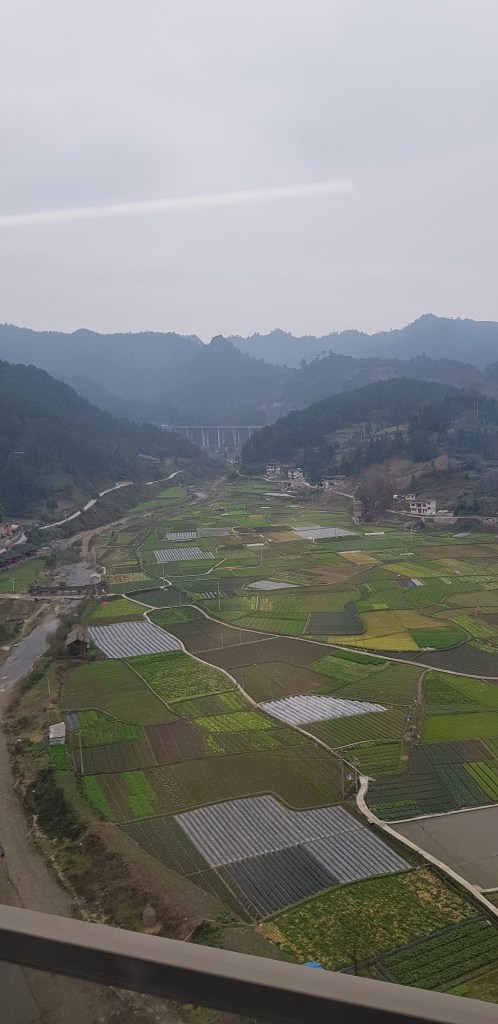
On our way back we were lucky to meet a Miao guy who was on his way to Kaili. We were rushing to get on the high-speed train back to Guiyang. While we were waiting for the bus to Kaili who was passing the villages every half an hour or so – nobody knew when it was coming (sometimes it just wouldn’t come at all) – a car stopped in front of us asking if there’s somebody who would like to have a ride to Kaili. The guy told us that the bus wouldn’t come anymore, so to persuade us to hire him as our driver, it seems. Finally, we agreed. As we entered the car, we found out that we weren’t alone. There was an old couple sitting in the back. They were Miao people. From time to time we listened to the driver speaking with them, and I can truly say, Miao people are even more bubbly than the Chinese are. We found out that there are a lot of Miao holidays taking place in October and November. Therefore, the best time to visit the Miao villages are the last months of the year. Furthermore, there is a bigger village called 西江苗寨 – Xijiang Miao village. It seems to be more touristy and more interesting in summer.
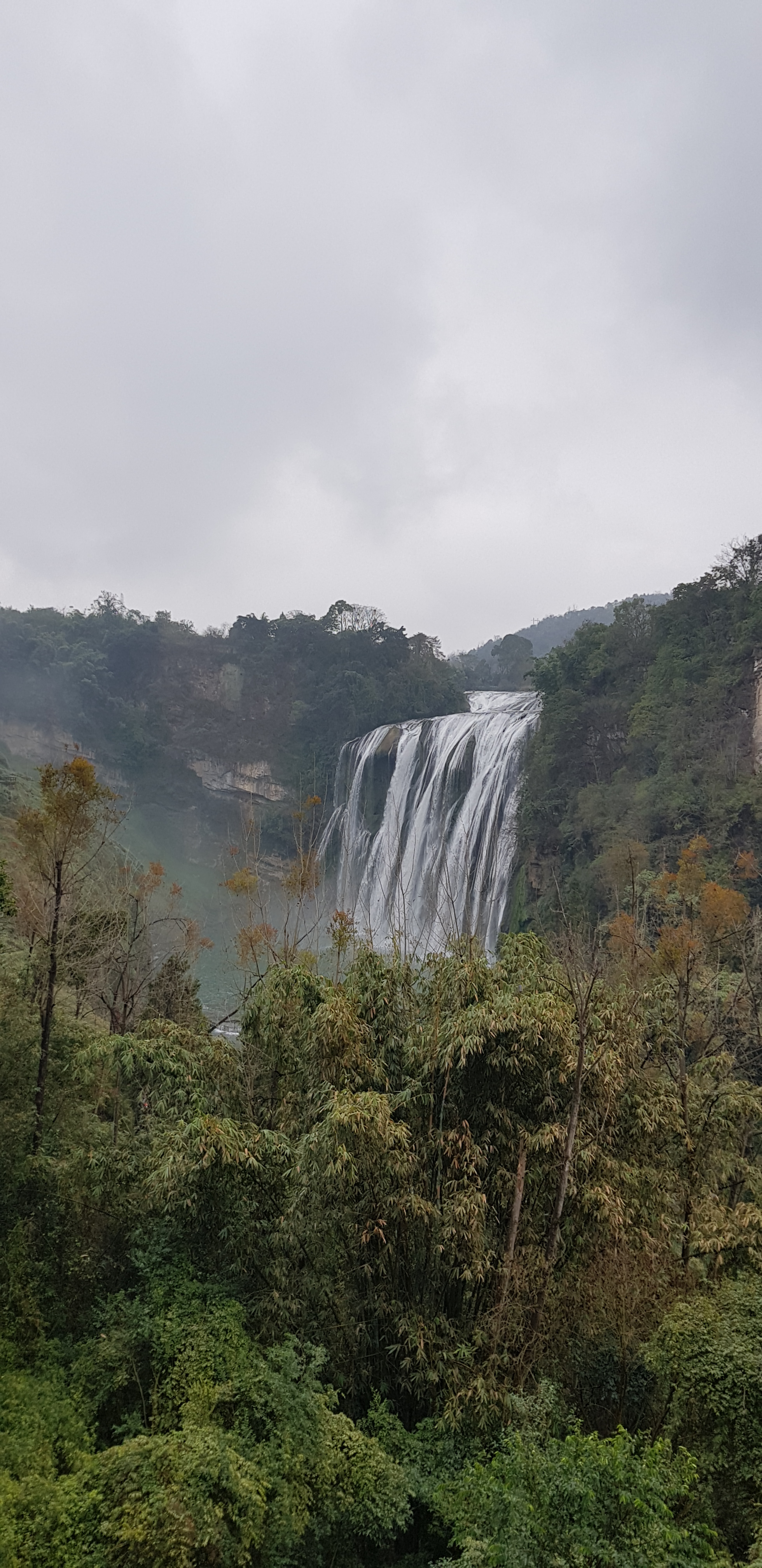
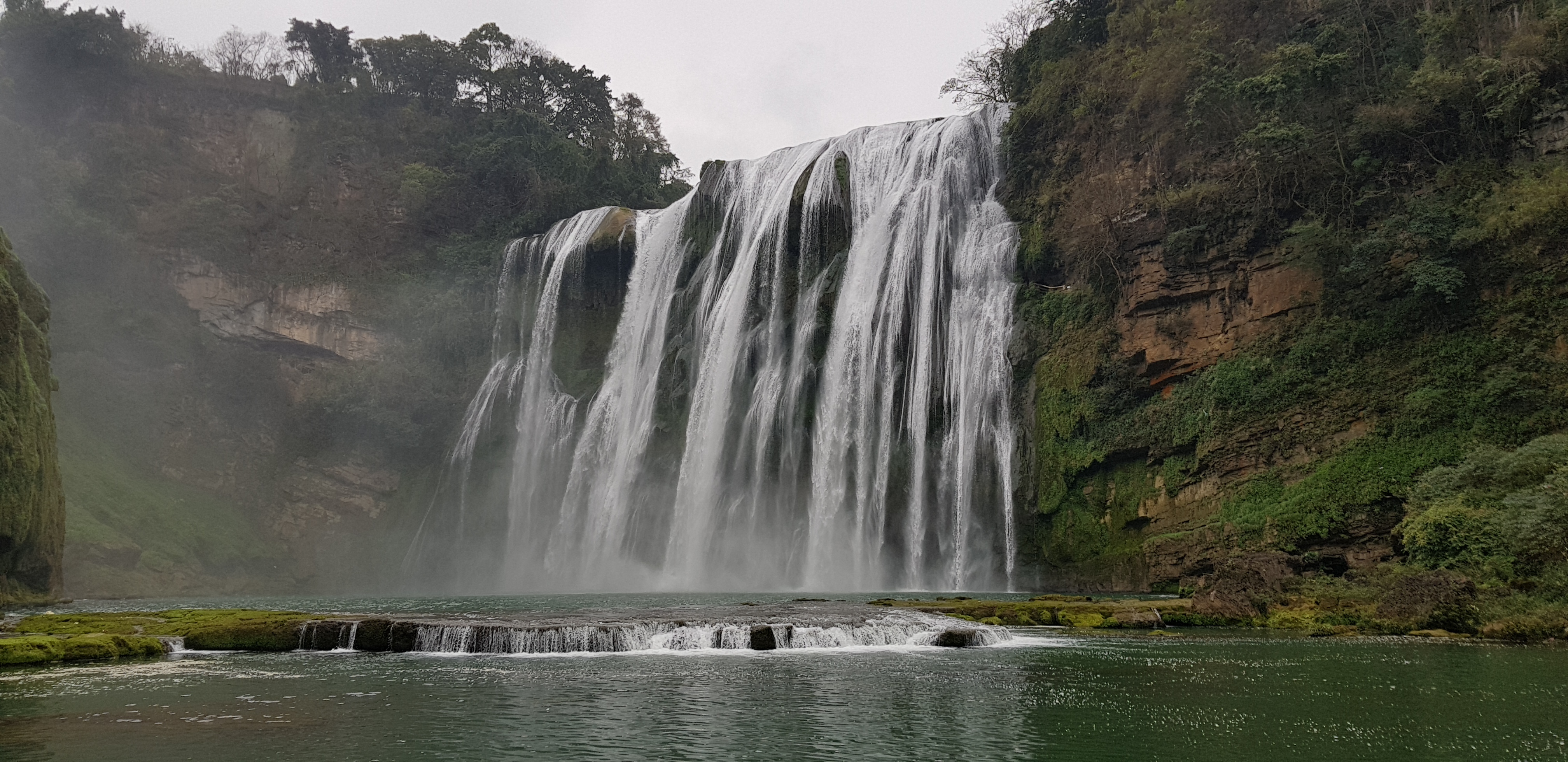
On our last day we intended to go to the waterfalls of 黄果树 – Huangguoshu by bus, but it wasn’t possible to do so. The bus would have been the most inexpensive and effective way to get there from Guiyang (客运站 – keyunzhan). We had to buy high-speed train tickets to the next bigger city of Anshun – 安顺instead. During the train ride I heard a Chinese couple discussing about how to get to the waterfalls after getting of the train. I was eager to save some money and asked them if we could call a taxi together. That would have advantages for both sides. They accepted my offer and we arrived at the hotel near the waterfalls where they would spend the night.
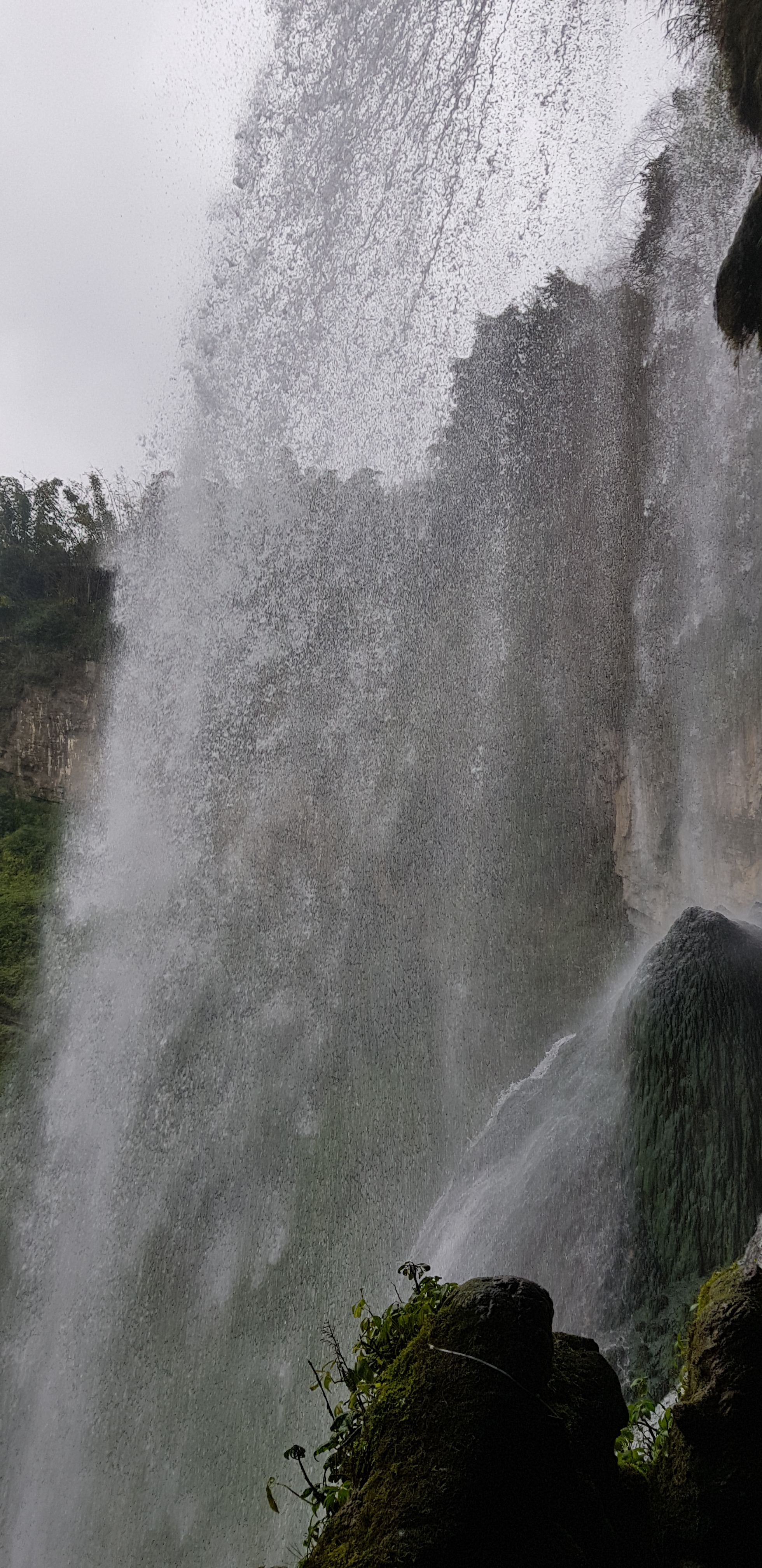
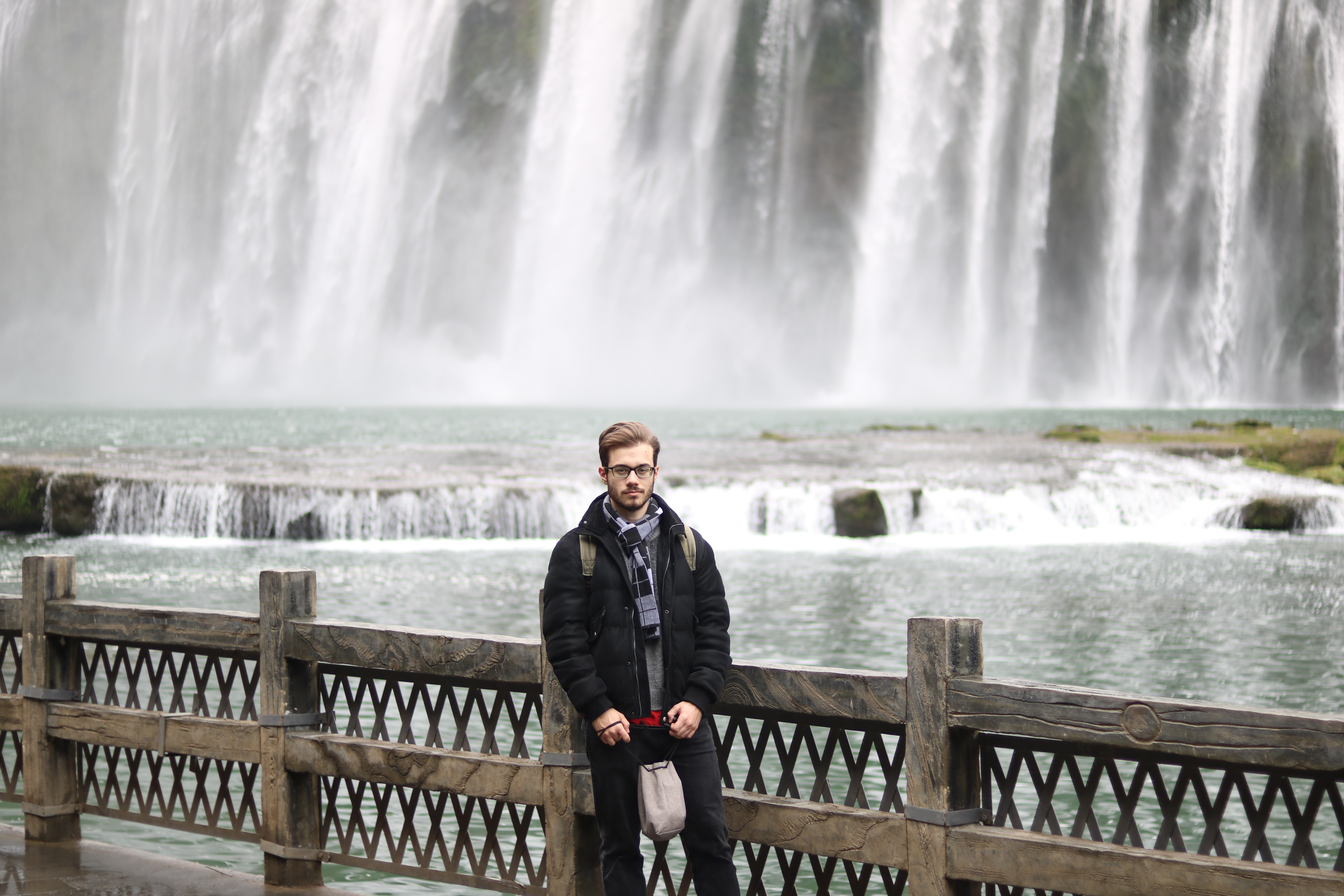
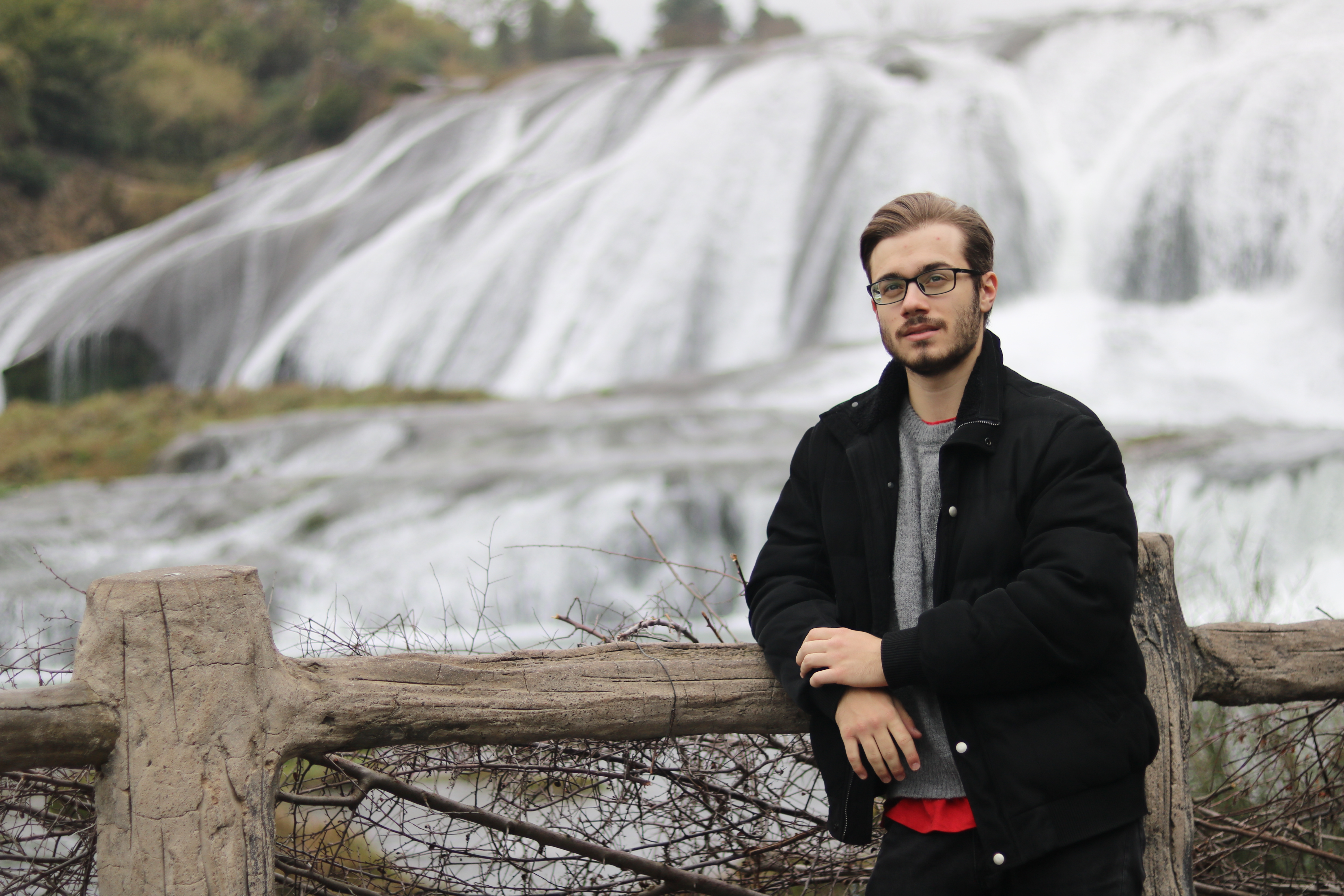
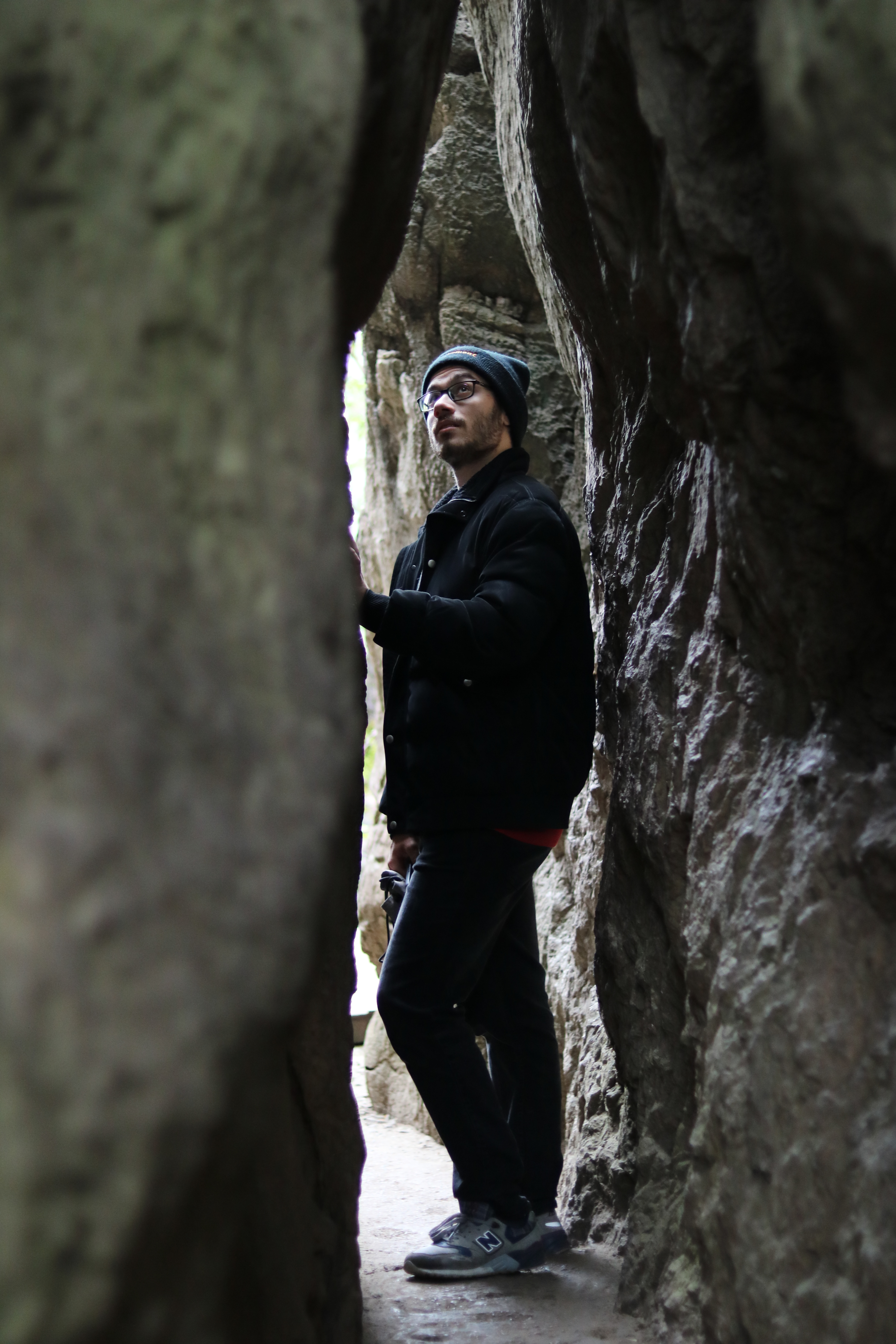
The Huangguoshu waterfalls are in a quite beautiful part of the province. There are a lot of natural waterfalls and strange rock formations. To be able to enter the park you must buy a ticket which includes the three biggest sights in the park. These are two big waterfalls and a scenic area with strange rock formations, ancient woods and a few smaller waterfalls. All in all, the tickets are not cheap (about 200 RMB for students), but it is definitely worth it! The ticket also includes all the bus rides to the scenic spots. The second waterfall is big, but you don’t need much time for it. Save your time for the last scenic spot which is located in the far south of the park. For that you need about two hours, if you don’t want to rush. We had to catch our train back to Guiyang, so we had to hurry a little bit. I would say, this was the best day of our visit to Guizhou. Furthermore, Anshun seems to be a nicer place than Kaili, but we didn’t had time to explore the city. Additionally, you can visit the Longgong caves which ought to be very unique. Sadly, we haven’t had the time to visit this place, either. I would advice you to book a hotel and spend the night at Huangguoshu (it’s the name of the village) or in Anshun to have enough time to see the waterfalls and the caves. I won’t tell you more about the waterfalls, see for yourselves, or an even better option would be to go and explore Guizhou on your own!
Another fun fact about visiting Guizhou are the constant looks and stares you get when visiting all those places. People in Guizhou aren’t used to foreigners as much as the people in Guangdong or Beijing are. Be ready to see kids shouting things like “Oh, there is a Laowai – 老外 (foreigner)!”, or people staring at you and pointing their finger in your direction, or even reactions like being shocked for a moment and people talking about you thinking you can’t understand what they are saying, but actually, you understand them pretty well. You know what I mean?
The last thing I want to mention is the bad behaviour. While good behaviour and Chinese hospitality in Guizhou are predominant, there is still a bunch of bad behaviour going on. Things like spitting, talking too loud on the phone, watching movies without headphones and other things which are obviously strictly prohibited, take place in everyday life, and nobody is even trying to stop it. Once I kindly asked people to stop feeding animals or pick up their rubbish more than once (and I truly don’t care, if those people lose their faces/dignity). I am not joking when saying that every minute there is always somebody who will spit on the ground. And it’s not even the silent way of spitting.
A lesson in Chinese spitting: 1. First, you gather your own spit so loud that everybody can hear it. 2. Then, you prepare it by putting it in front of your mouth. 3. At last, you turn your head down a little bit and give your spit enough power to get out of your mouth. If the spit leaves your mouth successfully it will splash on the ground so you and the other people nearby can hear it. That’s the real way of Chinese spitting! Enough of that, you won’t come across this in the more developed provinces that often!
 SouthernChinaTraveller's Blog
Leave a comment